
The Influence of Color on Emotion
Color psychology plays a significant role in casino design, as it can evoke various emotions and behaviors in visitors. Bright, vivid colors like red and gold are commonly used to create excitement and energy, enticing players to engage in gaming activities. These hues are strategically placed in high-traffic areas, ensuring that they capture attention and stimulate a sense of urgency. For instance, the color red is often associated with luck and passion, serving to heighten the thrill of playing, while gold symbolizes wealth and prosperity, enhancing the allure of the gaming environment. Many players also appreciate the comfort provided by places like brighterlifehomes.co.uk when taking a break from the action.
The use of cooler tones such as blue and green can also be intentional, as they create a sense of calmness and relaxation. By balancing vibrant colors with more serene shades, casinos can provide a welcoming atmosphere that encourages patrons to extend their stay. This emotional balance not only enhances the gaming experience but also ensures that players feel both energized to play and relaxed in their environment. The thoughtful application of color creates a visual narrative that influences how players experience the space, making them more likely to engage with various games and attractions.
Moreover, lighting complements color choices and has a psychological impact on casino visitors. For instance, dim lighting can create an intimate mood, making individuals feel more comfortable and engaged in their surroundings. The combination of color and lighting creates a unique ambiance that heightens the overall experience, subtly influencing players’ emotions and decisions. This careful orchestration is crucial, as it ultimately impacts the duration of their stay in the casino, thereby affecting their overall spending and enjoyment.
Layout and Flow: Guiding the Player Experience
The layout of a casino is meticulously crafted to ensure an intuitive flow that guides visitors through the space. Designers often utilize an open floor plan, minimizing barriers and distractions, which allows players to move freely from one gaming area to another. This layout encourages exploration and increases the likelihood of players encountering new games or attractions, fostering a sense of discovery and excitement. For example, strategically placed pathways can lead to popular areas, ensuring that patrons are continually engaged throughout their visit.
Zoning is another crucial aspect of casino design, where different gaming areas are strategically positioned to cater to various clientele. High-stakes tables might be located in more secluded corners to attract serious players, while slot machines tend to occupy more open spaces, facilitating social interaction. This spatial organization creates a tailored experience for diverse clientele, ensuring that every segment of the audience finds something that resonates with them. As a result, the design becomes a crucial tool in managing player behavior and satisfaction.

The concept of „lost track of time” is also fundamental in casino design. By minimizing windows and clocks, casinos immerse players in a timeless environment, enhancing the gaming experience. This deliberate decision allows patrons to become engrossed in their activities without the distraction of the outside world. Ultimately, the layout and flow of casinos are engineered to create an engaging journey that keeps players entertained and engaged for extended periods, which is essential for maximizing their enjoyment and the casino’s profitability.
The Role of Sound in Creating Atmosphere
Sound is a powerful tool in casino design, often used to enhance the overall atmosphere and influence player behavior. The auditory experience in a casino is carefully curated, from the soft background music that promotes relaxation to the rhythmic sounds of slot machines and card games. These sounds are not merely background noise; they are psychologically crafted to elevate excitement and trigger positive associations with winning. For instance, the celebratory jingles that accompany wins can create a euphoric atmosphere, reinforcing the idea of success and enticing players to continue gambling.
Casinos often employ distinct sounds that accompany wins, such as chimes or cheers, which reinforce a sense of achievement for players. These auditory cues evoke emotions and encourage players to continue gambling, as the rewarding sounds create a desire for more positive experiences. Additionally, the use of white noise helps mask any disruptive sounds from the outside world, maintaining an immersive environment that keeps players focused on their games. This strategic use of sound creates a unique auditory landscape that enhances the overall casino experience.
The tempo of the music played also plays a significant role; upbeat tracks can energize the atmosphere, while slower melodies might enhance relaxation in high-stakes areas. By manipulating soundscapes, casinos create an engaging audio environment that not only entertains but also drives players to stay longer, thereby increasing their chances of spending more. This intricate relationship between sound and player behavior showcases the psychological depth in casino design, making it an essential aspect of the overall experience.
Social Interaction and Community Spaces
Social interaction is a fundamental element in casino design, as these venues often serve as communal spaces where individuals come together to enjoy entertainment and camaraderie. Designers create dedicated areas specifically for socializing, such as lounges, bars, and group gaming tables. These thoughtfully designed social spaces encourage players to engage with one another, fostering a sense of community that enhances the overall experience. The ambiance in these areas typically features comfortable seating and warm lighting, making patrons feel welcome to socialize and connect.
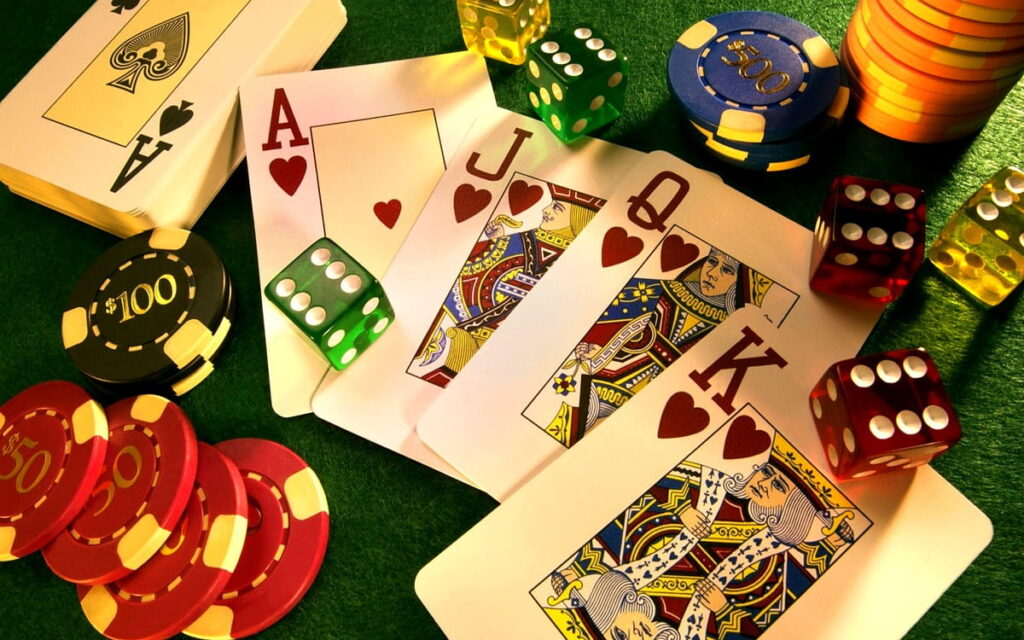
Moreover, creating opportunities for interaction among players can heighten the excitement of gaming. Group activities, such as tournaments or team events, are often integrated into the casino experience, promoting engagement and friendly competition. Spaces designed for these interactions not only build community but also encourage players to return in hopes of reliving the shared experience, thereby increasing customer loyalty. This social layer adds depth to the gaming experience beyond mere monetary stakes, making it a more enriching environment for all involved.
The presence of staff, including dealers and waitstaff, plays a critical role in promoting social interaction. Attentive service enhances the guest experience, creating connections between patrons and staff that can lead to a more enjoyable and memorable visit. By facilitating a culture of interaction and community, casinos can boost patron satisfaction and ensure their venues are viewed as destinations rather than just places to gamble. This emphasis on social bonds transforms the casino into a hub of entertainment and engagement, where experiences are shared and relationships are forged.
Understanding the Impact of Casino Websites
In today’s digital age, the design and functionality of a casino’s website play a crucial role in attracting and retaining players. A well-designed website mirrors the physical casino experience, offering users a visually appealing interface that matches their expectations. This online presence is not only essential for promoting games and events but also serves as a platform for customer engagement, providing an initial impression that can significantly influence a player’s decision to visit the physical location. The aesthetics and ease of navigation directly impact user engagement and satisfaction.
The use of interactive elements, such as game previews and virtual tours, helps to draw visitors into the online environment, mirroring the excitement they would encounter in a physical casino. A website that is easy to navigate enhances user experience, making it easier for patrons to find their favorite games, access promotional offers, or contact support. Integrating appealing visuals and ensuring responsive design across devices further strengthens player engagement, fostering loyalty to the brand. A seamless online experience supports the overall strategy of attracting a diverse clientele.
Moreover, the content featured on casino websites, including tutorials and strategies for games, enriches the visitor’s understanding and builds excitement. This educational approach encourages players to explore and engage more deeply with the offerings. By maintaining an engaging and informative online presence, casinos can create a seamless extension of their physical locations, ultimately enhancing their reputation and attracting a wider audience. The website thus becomes a crucial marketing tool, essential for maintaining a competitive edge in the ever-evolving gaming industry.