
The Allure of Gambling
The psychology of casino gambling begins with the concept of allure, where the excitement and thrill of the gambling environment draw individuals in. Bright lights, captivating sounds, and the potential for significant payouts create a sensory-rich experience that can be hard to resist. This combination appeals to the innate human desire for risk-taking and rewards, making the casino an attractive destination for many seeking entertainment and an escape from the everyday grind, especially in places that offer an instant withdrawal casino uk experience. The atmosphere is designed to be vibrant and engaging, drawing visitors into a world that feels both entertaining and potentially lucrative.
The brain’s reward system plays a critical role in this allure. When individuals engage in gambling activities, their brains release dopamine, a neurotransmitter associated with pleasure and reward. This release can lead to feelings of euphoria, especially when players experience wins, reinforcing the behavior and making them more likely to return to the casino. This dynamic creates a cycle of attraction, where the initial thrill compels players to gamble more, hoping to replicate that euphoric feeling. The anticipation of winning can be more exhilarating than the win itself, further driving the desire to return to the gaming floor.
Moreover, the social aspect of casinos cannot be overstated. The environment encourages interaction and connection, with many people drawn to the communal experience of gambling. This social element enhances enjoyment and contributes to the overall appeal of gambling. Whether it is cheering for a friend hitting a jackpot or sharing stories of wins and losses, the social dynamics play a fundamental role in the psychological aspect of gambling, fostering a sense of belonging and excitement. In many cases, the shared experience of gambling can strengthen friendships and create new social bonds, making the casino a hub of interaction.
The Role of Cognitive Biases
Cognitive biases significantly impact gamblers’ decisions and behaviors within casinos. One common bias is the illusion of control, where individuals believe they can influence outcomes in games that are fundamentally based on chance. For example, a player might feel that choosing specific numbers on a roulette wheel increases their chances of winning, despite the reality that each spin is entirely random. This bias enhances the gambling experience by instilling a false sense of confidence, leading players to make riskier bets under the impression that they can sway the odds in their favor.
Another prevalent bias is the gambler’s fallacy, where individuals mistakenly think that past events affect future outcomes. A player may believe that after several losses at a slot machine, they are „due” for a win, leading them to continue playing in the hopes that probability will balance out. This fallacy is particularly dangerous, as it can extend gambling sessions and increase financial losses, reinforcing the cycle of gambling addiction. Gamblers often fail to recognize that each outcome is independent and random, which can lead to a dangerous pattern of behavior that prioritizes hope over rationality.

Understanding these cognitive biases is crucial for both gamblers and casino operators. For gamblers, awareness can lead to more informed decision-making, reducing the risk of falling into traps that encourage excessive gambling. For casino operators, these biases can be strategically leveraged to enhance game design and create environments that entice players to spend more time and money, all while keeping them engaged through psychological principles. By acknowledging the effects of cognitive biases, both parties can better navigate the complex landscape of gambling and its inherent risks.
The Emotional Rollercoaster of Gambling
Gambling elicits a whirlwind of emotions, encompassing the highs of winning and the lows of losing. The emotional rollercoaster is part of what makes gambling so captivating, as players can experience intense joy with wins and profound disappointment with losses. The unpredictability of outcomes evokes feelings of excitement and anticipation, often leading to a heightened state of arousal, which can be addictive in nature. This emotional engagement can create a compelling cycle that keeps players returning for more, despite the risks involved.
When players win, even small amounts, the euphoric feelings can create a strong desire to continue gambling, fostering a „win-streak” mentality. This phenomenon is often amplified by the near-miss effect, where players come close to winning but ultimately do not. This psychological trick can intensify the desire to keep playing, believing that success is just around the corner. Casinos design games to capitalize on this, offering frequent small wins to keep players engaged and emotionally invested. The thrill of nearly winning can be more motivating than the actual wins themselves, leading to extended gambling sessions.
Conversely, losses can lead to a range of emotions from frustration to desperation. Gamblers may engage in „chasing losses,” a behavior in which they attempt to recover lost money by placing increasingly risky bets. This emotional response can lead to significant financial consequences and can spiral into a detrimental cycle of gambling addiction. Understanding the emotional dynamics of gambling is essential for both players and those seeking to support them in maintaining healthier gambling habits. Recognizing when emotions are driving decisions can help individuals make more rational choices regarding their gambling behavior.
The Impact of Environment and Design
The physical environment and design of casinos play a crucial role in influencing gamblers’ psychology and behavior. Casinos are carefully designed to create a sense of immersion, with no clocks or windows, which can distort the perception of time. This design encourages players to lose track of time and stay longer, thus increasing their gambling activity. The layout of games and machines is also strategically planned to maximize interaction and engagement. By creating an environment where time feels irrelevant, casinos can encourage longer play sessions, resulting in increased spending.
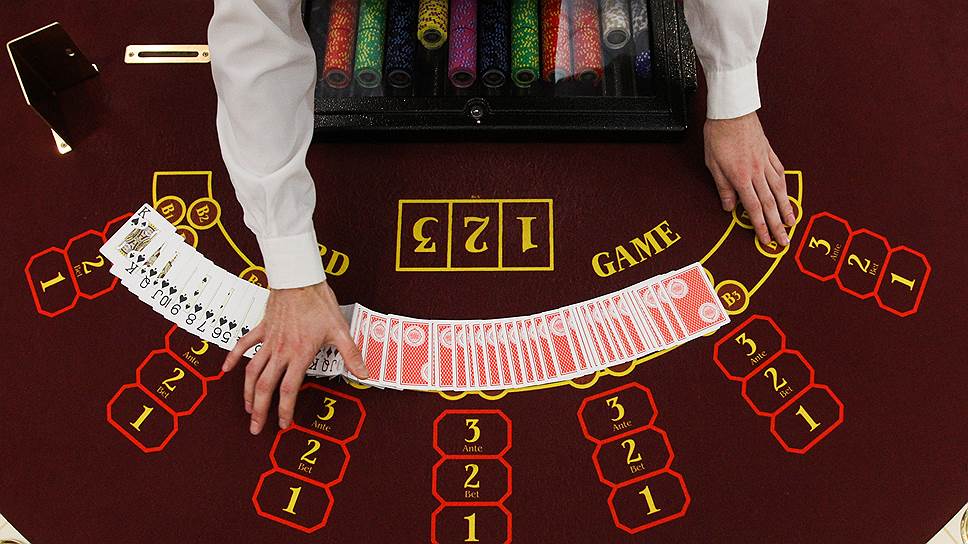
Lighting, sound, and even scent are meticulously crafted to enhance the overall experience. Bright lights and sounds of coins dropping evoke feelings of excitement and success, drawing players further into the environment. Moreover, casinos often use alluring scents, which can evoke positive emotions and make players feel more comfortable and willing to gamble. This sensory engagement is designed to keep players in a state of pleasure, making it easier for them to forget about time and money spent. The overall atmosphere is engineered to create a euphoric experience that entices players to stay longer and play more.
Additionally, the availability of complimentary drinks and snacks serves to create a more relaxed atmosphere, further encouraging players to remain engaged. The psychological effects of a comfortable and stimulating environment cannot be underestimated; they play a pivotal role in increasing the likelihood that individuals will spend more time and money at the casino. Understanding these environmental factors provides insight into how casinos operate and why they are so successful at attracting and retaining gamblers. The careful orchestration of the casino experience is a critical component of their business model, leveraging psychological principles to maximize profitability.
Responsible Gambling Resources and Insights
As the allure of gambling continues to draw many individuals into casinos, it is crucial to emphasize the importance of responsible gambling. Various resources and organizations offer support for those who may struggle with gambling addiction or seek to establish healthier gambling habits. These resources often provide education on recognizing the signs of problem gambling, strategies for self-control, and avenues for seeking help if needed. By cultivating awareness, individuals can better manage their gambling behaviors and mitigate potential negative consequences.
Awareness and education play vital roles in preventing gambling issues from escalating. Many casinos are increasingly implementing responsible gambling measures. This includes providing clear information about the odds of games, offering self-exclusion programs, and promoting awareness campaigns to encourage mindful gambling behavior. By fostering a culture of responsibility, casinos can help to mitigate the negative consequences of gambling while still providing entertainment for their patrons. Efforts to educate players about the risks of gambling can lead to more informed decision-making and healthier gaming habits.
For those looking for further resources, websites dedicated to responsible gambling offer tools and insights on how to enjoy gambling safely. These platforms often provide tips, self-assessment quizzes, and access to professional support services. By taking advantage of these resources, individuals can better understand their gambling habits and make informed decisions that prioritize their well-being and financial health. The commitment to responsible gambling is essential for maintaining a balanced and enjoyable gaming experience, ensuring that individuals can engage with gambling in a way that is both fun and safe.